These samples showed how the wood blocks progressed to a painted doll.

Its manufacturing process.

How it is made.

A family of dolls. The photos below showed the exhibition halls and exhibited dolls in The Japan Foundation, KL.


These samples showed how the wood blocks progressed to a painted doll.
Its manufacturing process.
How it is made.
A family of dolls. The photos below showed the exhibition halls and exhibited dolls in The Japan Foundation, KL.

The first real gift I ever gave to a woman was a Kokeshi creative doll that I bought from an old Japanese lady in

Their simple expressions conveyed more to me than intricately drawn faces. I loved their simplicity and though I see beauty in both, I much prefer Creative Kokeshi over Traditional Kokeshi.

Look how a simple raising of a sleeve can convey so much. Or the thinnest slit of the eye or simple variation of the tiny nose and mouth can add so much character.

How can a piece of wood feel cold? But doesn’t she appear comfortable beneath her warm clothing?

Hear no evil, speak no evil and hear no evil. They are certainly more convincing than the three monkeys.

Creative Kokeshi were developed only after World World II. They offered artists freedom of design, form, and color. Though beautiful, I feel Traditional Kokeshi a bit restrictive and too predictable. While creative Kokeshi are more fluid in their expression and not too wooden. One can often be surprised with the creativity of the artists and you involved yourself in what the artist is trying to convey. I have yet to come across a creative kokeshi I dislike. Below are more fine examples.


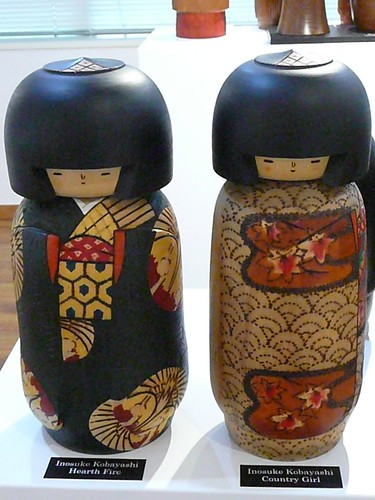

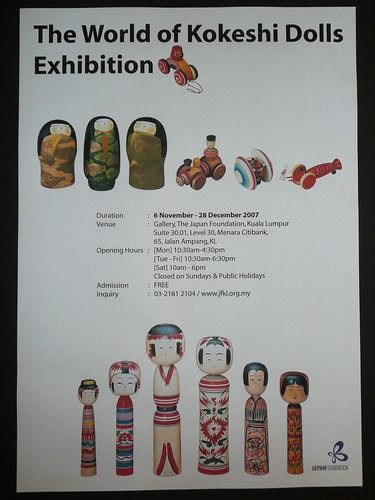
Recently I attended a Kokeshi Dolls Exhibition in The Japan Foundation in
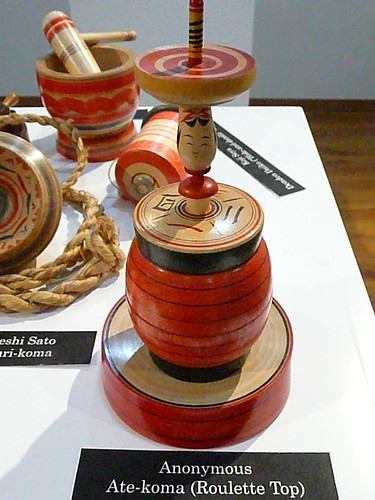
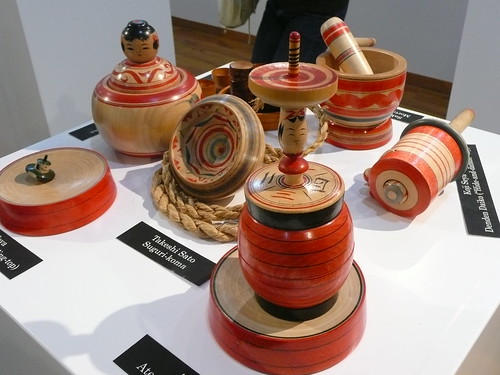 The hat of the doll in the center can be removed and spin as a top.
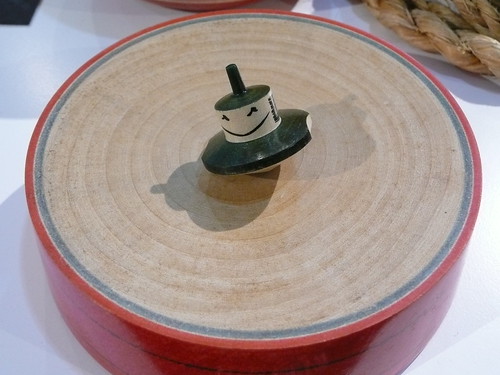 This is a sumo wrestler top.
 This doll is unusual as the doll head is hidden in the body. It pops up if you pull the strings on the side.
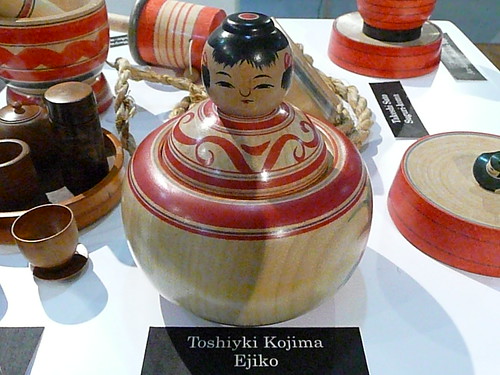


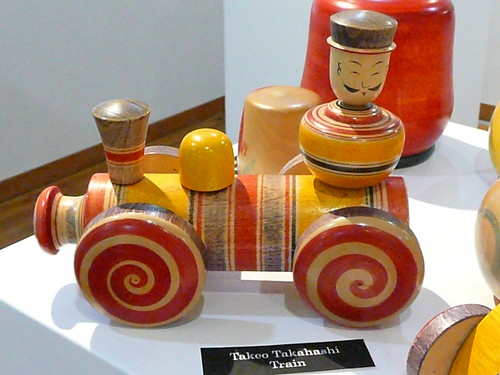

Source: Dolls of Japan.
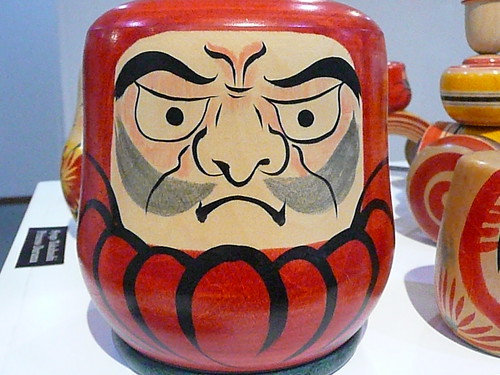
Daruma dolls are representation of the Indian priest Bodhidharma who traveled through
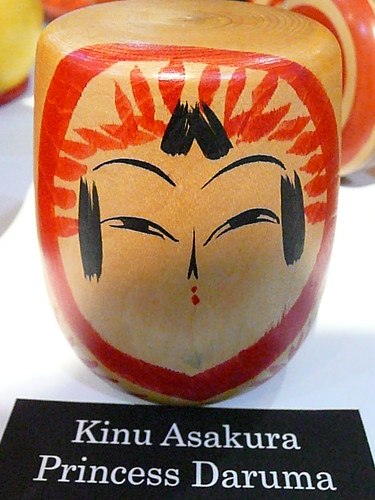
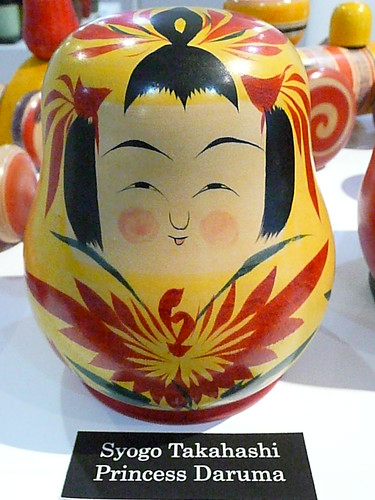
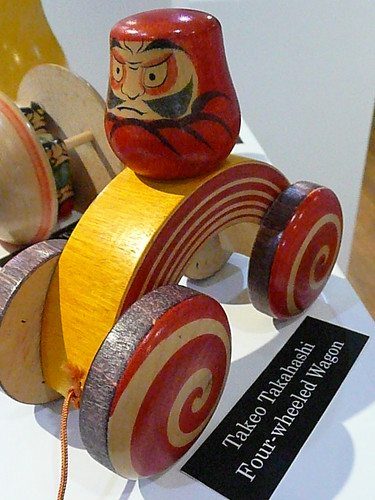
The art of making Kokeshi dolls are usually passed down from one generation to another. The standard features have more or less remained the same over the centuries with minor variations such as some of these toy Kokeshi pictures. However, after the Second War World, another form of Kokeshi called Creative Kokeshi emerged to allow craftsmen more artistic freedom. This will be dealt with in the next post.