Monday, January 28, 2008

Sunset Over Railway Bridge - II


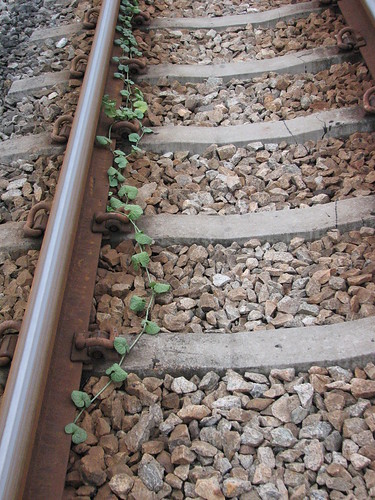
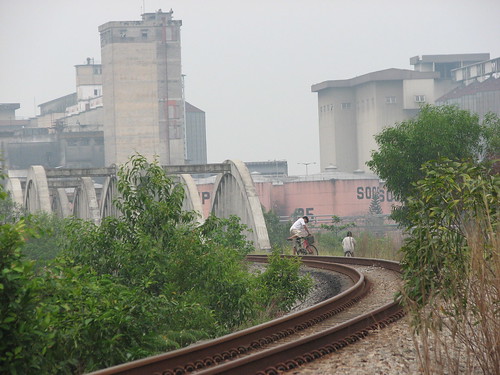
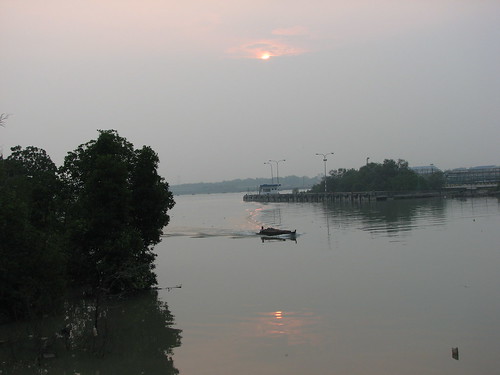
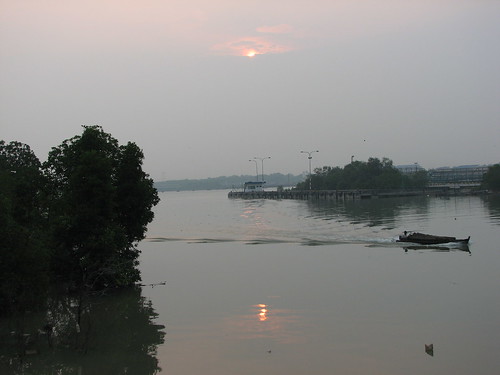
Look what is running along the track.


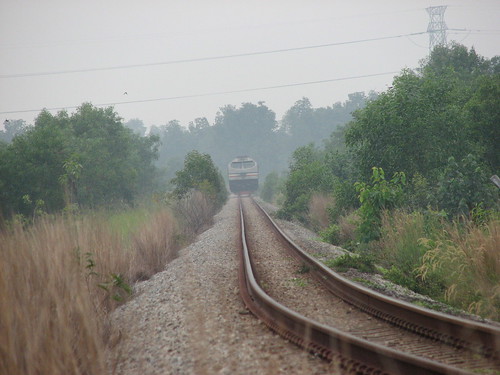
The Train is here.


The Train is gone.


I survive.


I stick.


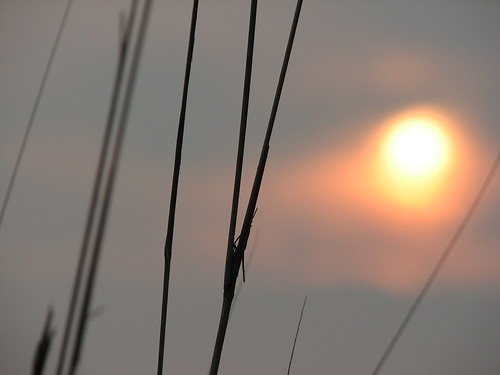
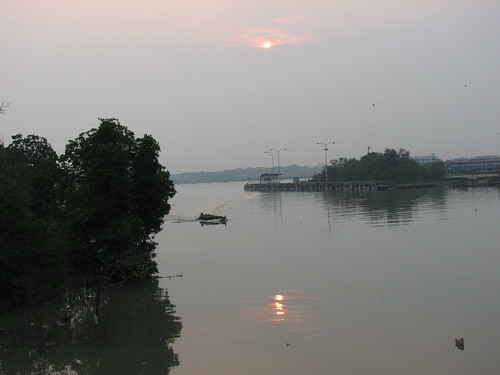
The Sun is setting.


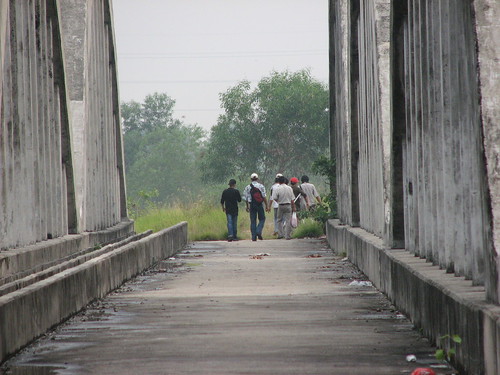
Time to...


... go home.


Sunday, January 27, 2008

Sunset Over Railway Bridge - I


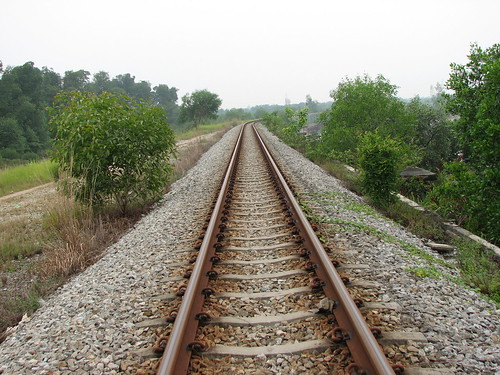
Recently a friend asked me where is a good place to take sunset photographs in Port Klang. I told him of a place that I sometimes like (although not often as it is rather secluded and out of the way) to go for evening walk especially when I am feeling down. It is a place where I can clear my head, reminisce and reflect until I can discard all negatives thoughts with the sinking sun.
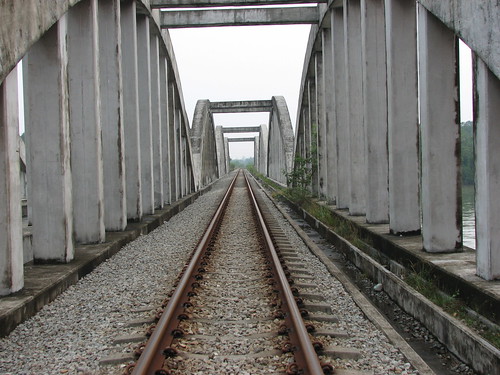
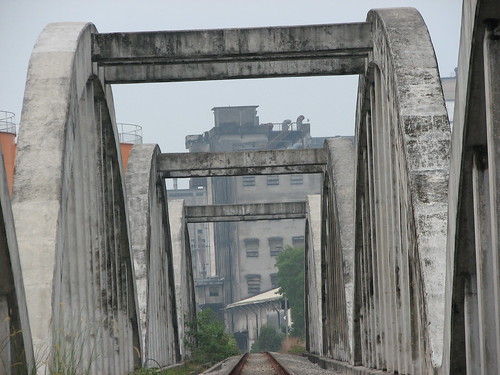


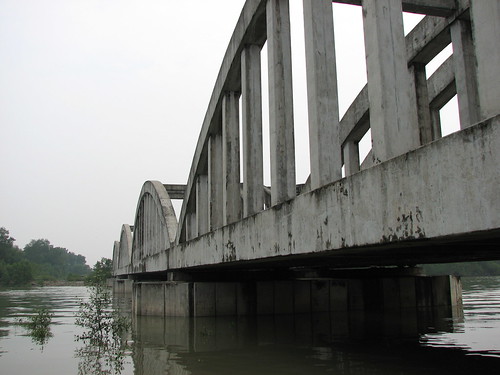
It was on a railway bridge connecting North Port through South Port to West Port mainly for the transportation of containers between North and West Ports. (Port Klang is the largest port in Malaysia and have these three ports servicing the central of West Malaysia which is the hub of commercial and industrial activities). Except for the trains and anglers fishing on the bridge during high tide, it is quite deserted
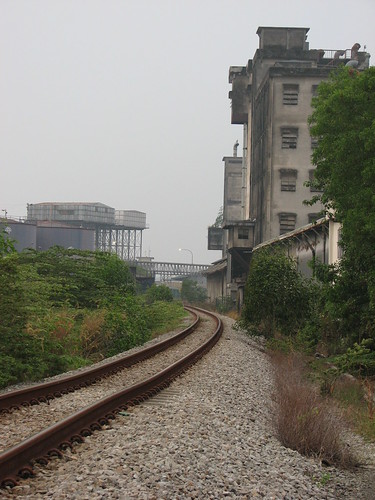

This allowed me to take leisurely walk along the railway track, take in the scenery and watched the birds and animals of the mangrove swamps and rivers. Sometimes I took my camera along and took some shots. I had posted some of this in MyKlang forum under “Sunset Over The Railway Bridge” and below are some of the pictures I had taken on two separate occasions, one on a cloudy evening and another on a sunny evening which gave different moods.
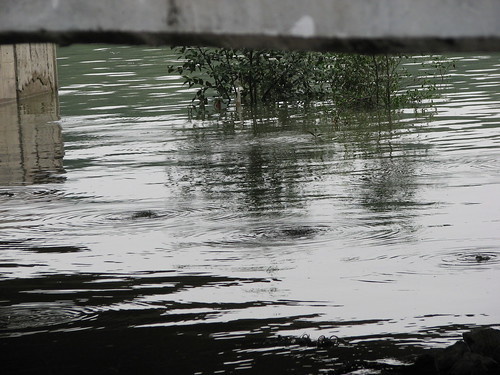
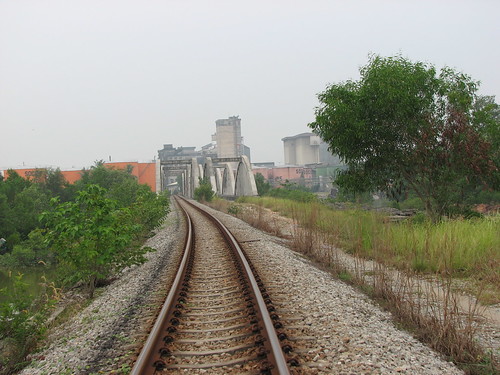
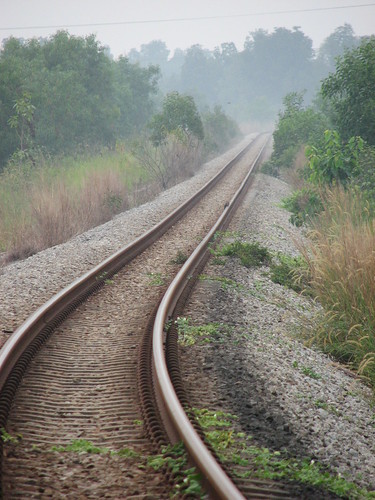
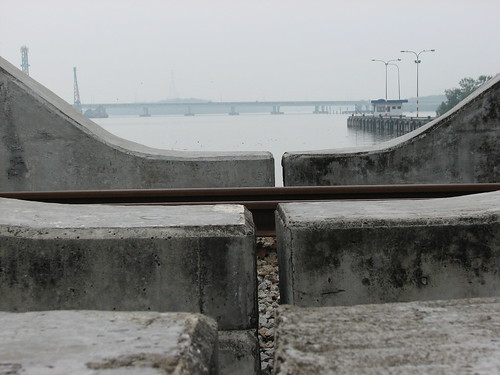


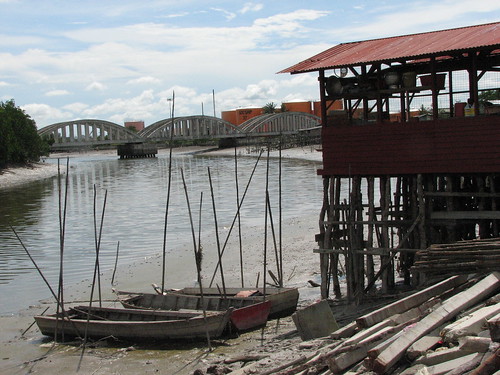
The bridge in the distance is the bridge connecting Pulau Indah (Beautiful Island) to the mainland. At the end of this island is West Port. That bridge is for road transport while this bridge where I took the picture from is for rail transport only.
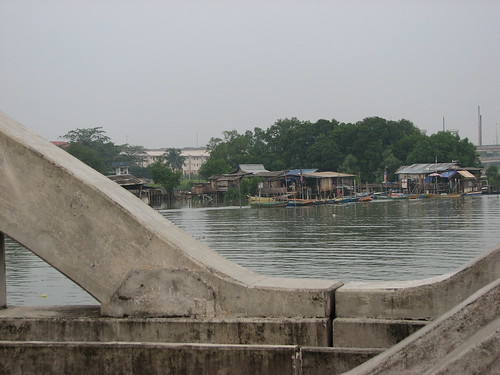


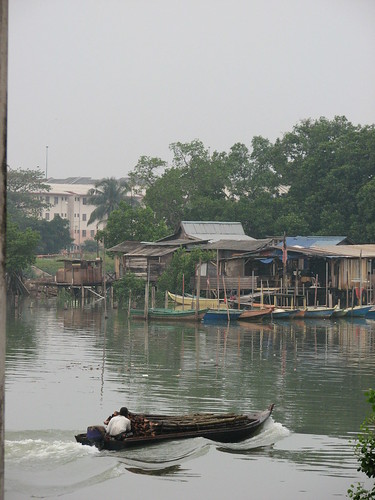
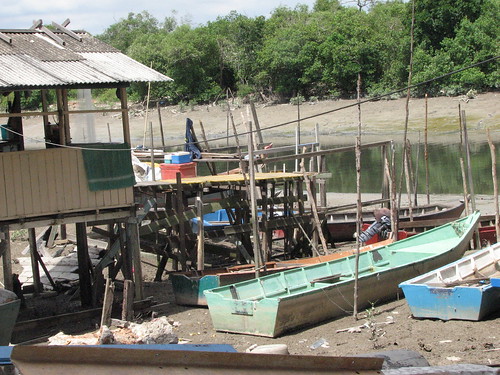
The fishing on the other side of the bridge is kampung Sungai Keladi and further down is to the dying town of Perlama.
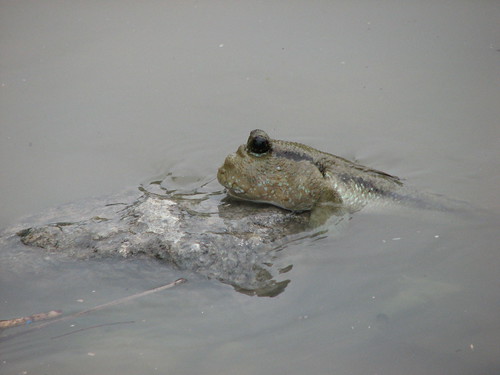


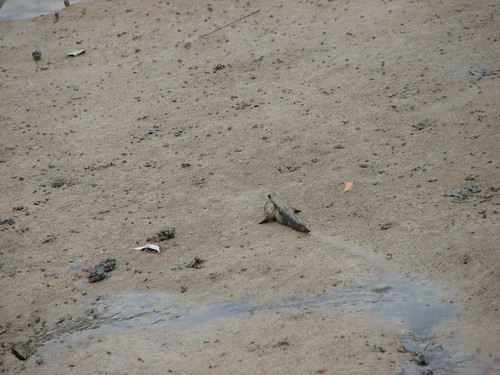
This is the mudskipper, so called because when it wanted to escape it will skip of the surface of the water. It can skip much faster than it can swim. It may looked ugly with the bulging eyes and oversize head but it is quite tasty.
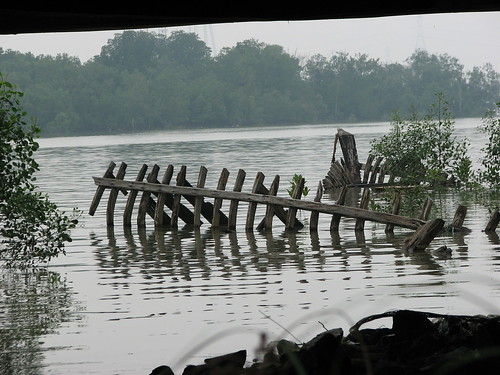


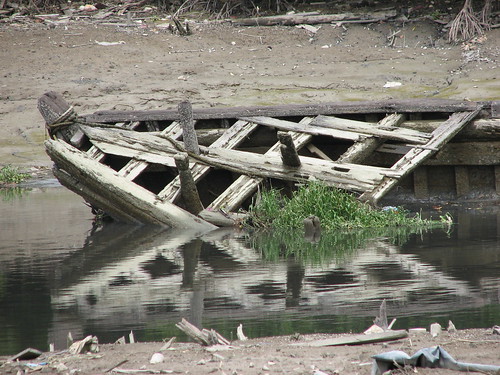
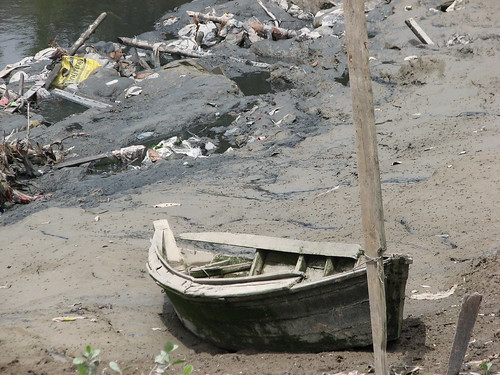
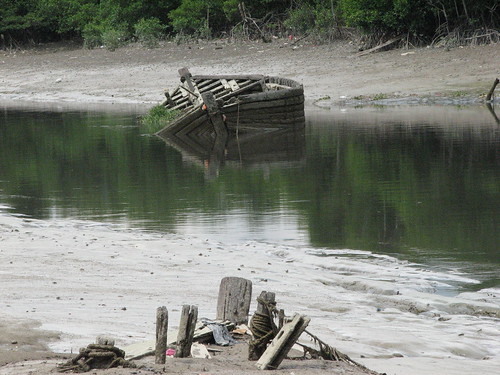
The skeleton of an abandoned boat.
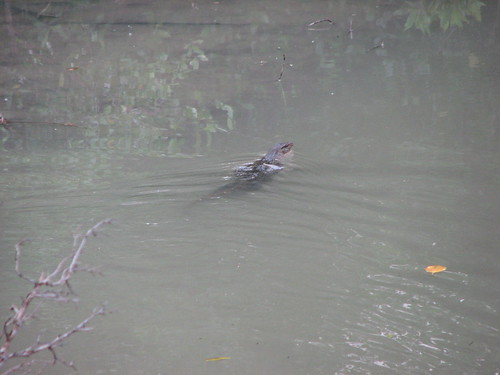


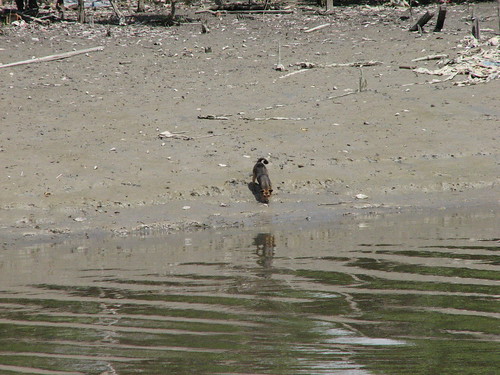
A monitor lizard swimming away.
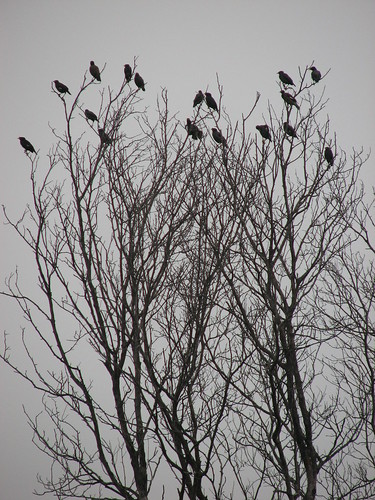


Friday, January 25, 2008

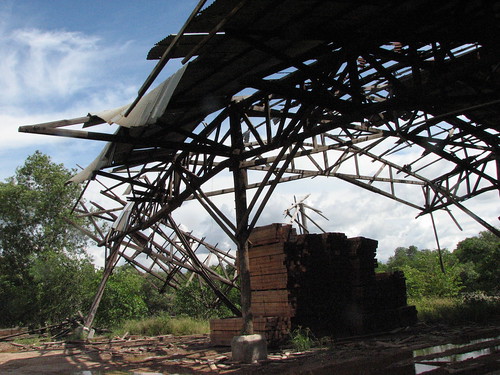
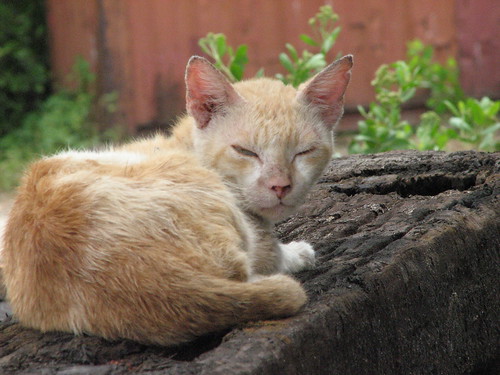
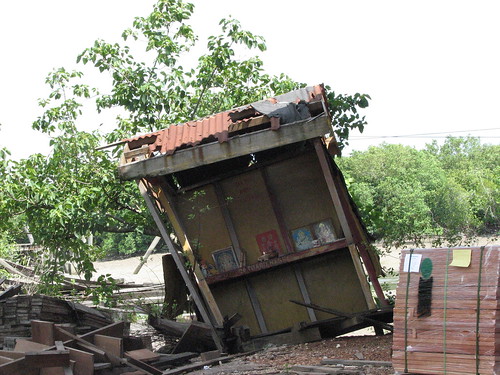
Death Of A Small Town Called Perlama - II


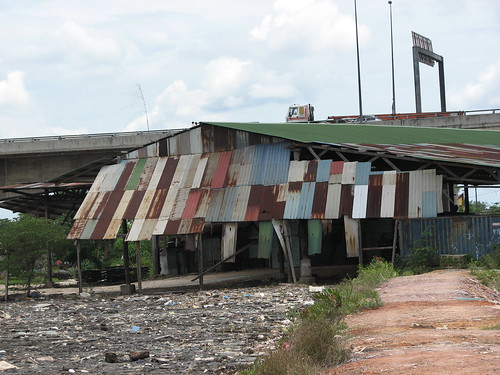
"Oh, those building. They were temporary stable for imported horses before they are moved inland. One night several years ago, the river burst its bank and drowned all the horses. They said the place is now haunted."


"Take our photo!"


Thursday, January 24, 2008

Death Of A Small Town Called Perlama - I


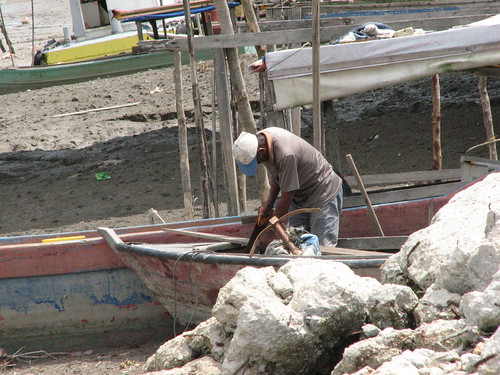
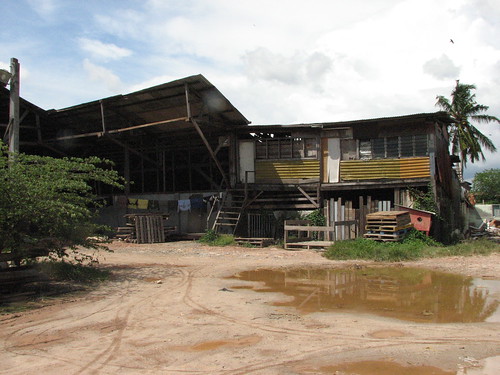
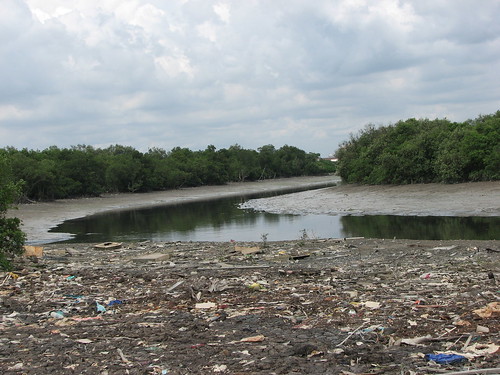
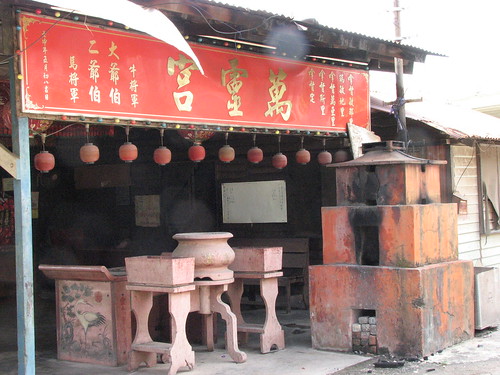
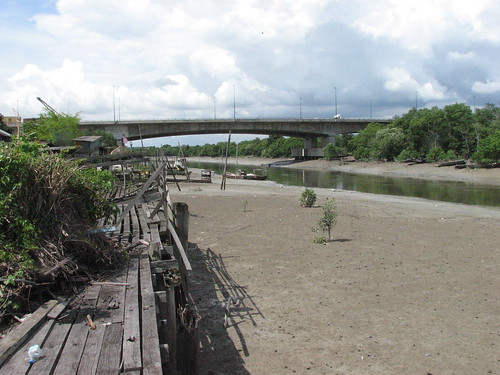
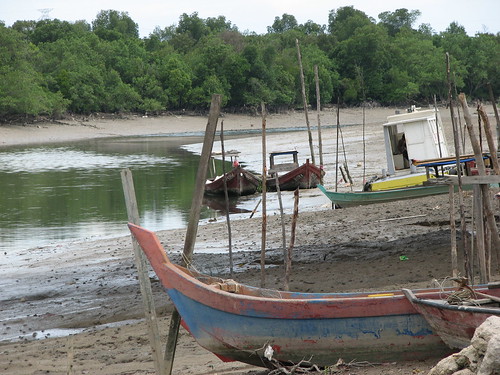
Perlama is a small town tucked at one corner of Port Klang, my hometown. The River Aur snaked and curled round it on its way to the sea. In its heyday, it was a busy place inhabited by fishing folks and workers of the sawmill that made use of the river to transport timbers. The timber trade in West Malaysia is practically dead and with that the fortune of the town declined to a sorry state. Squatters started to replace original inhabitants who moved out.


Fishing declined and the town and its surrounding village – Kampung Sungai Keladi fell on hard time. An ill-advised ambitious plan to turn the village into a riverfront development saw its sudden demise. The villagers were offered a monetary compensation to move and the entire village was demolished. Several years later and Perlama is a ghost town.


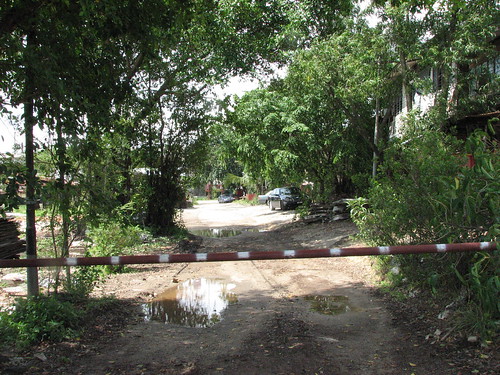
I had only been to Perlama a few times and did not really have a very strong impression of the place. But it was always there at the peripheral of our consciousness in the years I had stayed in Port Klang as time and again it appeared in our conversation like something that floated up from the depth. I had not visited that place in decades in my growing up, getting a job and moving away. One hot afternoon on a sudden whim, I started a walk along the embankment tracing the river bank from one end to the other. What started as a 15 minutes walk ended up 3 hours later and I did not realize that a place I had visited only so few times in my life had so many suppressed memories. As I have already posted most of my impressions in “Death Of A Small Town In Port Klang” in MyKlang Forum, I won’t rehash them here. Please click on the link to read more.


I have posted some images of my walk here to encourage you to go over to MyKlang to read further. And if you like it there, do register and be a member whether or not you are a Klangites.


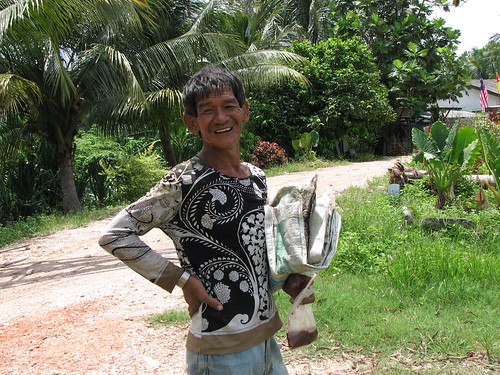
The first person I met on the beginning of my walk - "If you cannot give me a photo, why did you take my picture?"
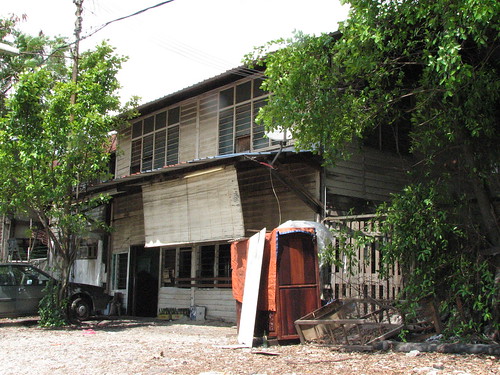
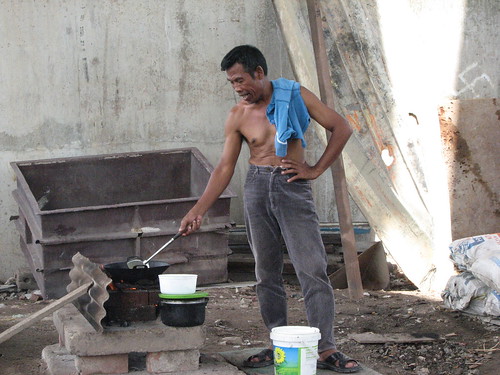


"I return because this is a better place that the new one we had been relocated to."



Saturday, January 19, 2008

Kokeshi Part III - The Exhibition.


These samples showed how the wood blocks progressed to a painted doll.


Its manufacturing process.


How it is made.


A family of dolls. The photos below showed the exhibition halls and exhibited dolls in The Japan Foundation, KL.


Friday, January 18, 2008

Kokeshi Part II - Japanese Creative Wooden Dolls


The first real gift I ever gave to a woman was a Kokeshi creative doll that I bought from an old Japanese lady in Tokyo. That doll though faded is still with my first serious girlfriend. I have always found exceptional beauty in a finely craved and painted wood. I took back a wooden doll from every trip to Japan.


Their simple expressions conveyed more to me than intricately drawn faces. I loved their simplicity and though I see beauty in both, I much prefer Creative Kokeshi over Traditional Kokeshi.


Look how a simple raising of a sleeve can convey so much. Or the thinnest slit of the eye or simple variation of the tiny nose and mouth can add so much character.


How can a piece of wood feel cold? But doesn’t she appear comfortable beneath her warm clothing?


Hear no evil, speak no evil and hear no evil. They are certainly more convincing than the three monkeys.


Creative Kokeshi were developed only after World World II. They offered artists freedom of design, form, and color. Though beautiful, I feel Traditional Kokeshi a bit restrictive and too predictable. While creative Kokeshi are more fluid in their expression and not too wooden. One can often be surprised with the creativity of the artists and you involved yourself in what the artist is trying to convey. I have yet to come across a creative kokeshi I dislike. Below are more fine examples.


Tuesday, January 15, 2008

Kokeshi Part I - Japanese Traditional Wooden Dolls


Recently I attended a Kokeshi Dolls Exhibition in The Japan Foundation in Kuala Lumpur. Kokeshi are Japanese wooden dolls. The Traditional Kokeshi are simple in design with a simple trunk and an enlarged head. The features are simply drawn with just a few thin lines yet this portrayed an amazing variety of expressions. The body are usually painted with simple flora designs with red, black and yellow being almost exclusively used. They are then covered with a thin layer of lacquer or wax. Kokeshi dolls have no arms or legs.


The hat of the doll in the center can be removed and spin as a top.


This is a sumo wrestler top.

This doll is unusual as the doll head is hidden in the body. It pops up if you pull the strings on the side.


Traditional Kokeshi started some 200 years back in the middle of the Edo Period (1603-1867). They were first produced in the Tohuku region for tourists who visited the region during winter. These were bought as souvenirs and given to children as it is believed it would promise a good harvest because it creates a good impression on the Gods to see children playing with dolls. Thus, it was especially popular with farmers. Today, they are also popular as a special gift for a new born baby and some even specially ordered a doll to correspond with the length of the baby.


Cherry wood is used for its darkness and dogwood for its softer lighter color. Japanese maple is also sometimes used. The wood for the dolls are left outside to season for one to five years. The seasoning will allow the wood to ‘ripened’ and bring out its colour.


Source: Dolls of Japan.


Daruma dolls are representation of the Indian priest Bodhidharma who traveled through Japan and China in the 5th or 6th Century AD. It represents the virtues of optimism, good fortune and determination. At New Year time, many individual and corporations buy a Daruma doll (without the eyes painted). A resolution is made and an eye is painted. If they are able to achieve the resolution, the other eye would then be painted. At year end, it is customary to take the doll to the temple where they are burned in a large bonfire. Many politicians also do the same before an election and painted the other eye when they won it.


The art of making Kokeshi dolls are usually passed down from one generation to another. The standard features have more or less remained the same over the centuries with minor variations such as some of these toy Kokeshi pictures. However, after the Second War World, another form of Kokeshi called Creative Kokeshi emerged to allow craftsmen more artistic freedom. This will be dealt with in the next post.


(Check out Ghost Wise's quotation on Dolls)


Thursday, January 10, 2008

The Sultan Abdul Aziz Royal Gallery - Part III


The Courtyard


This pair of marble lions were presented to the eight sultan of Selangor by the Chinese Dato of Selangor. They were originally placed at the entrance of Bukit Kayangan Palace in Shah Alam, then transferred to the state museum. They were finally relocated to the Royal Gallery Ground in January 2007.


You can tell whether a stone lion is a male or female by what it has under its feet. The male will have an ornamental ball under its paw while under the female’s paw is a cub. The number of bumps on the lion’s head denotes the rank of the official whose building the lion is guarding.


As I left the building, I could see the image of the Sultan Suleiman building reflected from the glass wall of the opposite building giving it a surreal effect. It is just as beautiful in its disjointed form. When you are in Klang, remember to visit its “White House”.


The End.


(I'll be going to Angkor Wat early tomorrow morning so Ghost Walk will take a leave of absence for about a week. After I return I'll tales of the trip to the Temples of Ruins for you).


Wednesday, January 9, 2008

The Sultan Abdul Aziz Royal Gallery - Part II

The Upstairs...


To be continued...


Tuesday, January 8, 2008

The Sultan Abdul Aziz Royal Gallery - Part I


After a heavy breakfast of nasi lemak from “China Coffee shop” plus Hainanese Chicken rice ball, need some exercise to burn it off before lunch. Decided to walk across the street to pay a visit to “The White House of Klang”. This is the “Sultan Suleiman Building” recently converted to the Sultan Abdul Aziz Royal Gallery.


It was built by an English architect, Arthur B. Hubback in 1909 and housed the British Administrative Centre but was turned into the Japanese Army Base during World War II. After the war, it had been occupied by the Klang District Office, the Royal Malaysian Police of Selangor and Klang Municipal Council. It was converted by Sultan Sharafuddin Idris Shah Alhaj to the Sultan Abdul Aziz Royal Gallery. Renovation work began in 2005 and completed in 2007. The gallery was originally housed in Syahbandaraya in Klang next to the Klang Police Headquarter.


This beautifully designed building offers many photo opportunities and I lost myself shooting it. There is beauty in every turns and every columns and I was awed by its stately yet calm nature. There were few visitors and I could wander through quiet corridors lost in time and my own thoughts. The white and light yellow color gave it a very soothing.


The building is best explored in silence and I will leave you to enjoy it alone. I strongly encouraged you to pay it a visit one day.


To be continued...


Saturday, January 5, 2008

JJCM in KT #18 - The Journey Ends With A Temerloh Patin.


We could not resist going back to Hai Peng coffee shop (see…) for another drink. I tried their ice black coffee but preferred the hot version. I was deeply disappointed that all the nasi lemak were sold out. Thought it was late afternoon, the shop was still as crowded as before. We finished our drinks and wondered when can we be back here again?


Welcome to Hai Peng from
A monkey in songkok...


And a rooster and hen.


After that last stop, we hit the highway again. Dusk was gathering fast and the world around us started to deepen. The clouds opened up for a last burst of golden light but appeared as a last desperate charge before being overwhelmed by the approaching night. Few cars were on this new highway and it was a pleasure to cruise through it.


With the departing sun, the weather cooled and mist started to gather force settling on the forest giving it a mystical air. We fell silent as if to connect with the atmosphere. The only sound is the humming of the car engine, sound of the tyers on the road and the rushing wind as the car sliced through the air. We turned reflective and slightly melancholy. I always felt this way coming to the end of a wonderful journey.


But the journey wasn’t over for I remembered the delicious Patin fish I had in Temerloh, in a restaurant I stumbled in by accident 10 years ago. 3 years later I sought it out and enjoyed the fish again. But it was now 7 years later. Is that restaurant still there?

It was pitch dark by the time we reached Temerloh and we were consumed by ravenous hunger. I only had a very rough idea where the restaurant was and the only time I was in Temerloh was to stop over for food. I remembered it was in front of an open field. When we finally found it, our hearts dropped for the restaurant had shifted. Luckily, on top of the shuttled door, there was an old banner informing its new location even though it had already shifted two years ago. And we were fortunate that apparently no one has rented that place since. We managed to find “Wee Kee” restaurant in its new location and a few rounds.


We were so hungry that I did not stop to take good picture before digging in. And what a delight to dig into nostalgia with every bite. The dish at the top is brinjal or egg plant. It is not unlike any brinjal dish you’ve seen, right? They are usually sliced or diced but Wee Kee served it mashed. It rich flavor (which it borrowed from the other ingredients it is cooked with – be it minced meat or dried prawns) literally melted in your mouth. The fried prawn with dark soy sauce is a common dish but the simple seasoning really brought out the succulent taste of fresh prawn without overwhelming it. The “Tau Chui” pork on the other hand is richly enhanced by the strong taste of fermented soy bean paste. The “house specialty tofu” is fried with minced meat and is also excellent.


But the highlight of the feast is of course the delicately steamed Patin fish which is also called “silver catfish” which Temerloh is most famous for. I always liked this fish for its smooth slippery texture and sweet taste. If done well (and depending on the fish), you will not get the slightly earthly flavor. Why I say depending on the fish is because you can buy Patin pond bred in stagnant water at RM5.00 per kilo, Patin grown in river cages for RM12.00 and wild Patin at RM100.00 per kilo! Connoisseur swore the difference in quality is worth the prices. It is said that you can tell the difference by the shade of silver, the longer/shorter pouting of the mouth, its gill and eyes but for a layman like me; I won’t be able to tell the difference by looking. So I won’t know which Patin I’m eating (not the wild one for sure!) but this restaurant has always served a good dish for me so I laid my trust in it. The fish was excellently done and our hunger only accentuated the great taste.


Having satiated ourselves, we got into the car and continued our way home. It is a most satisfying conclusion to our marvelous journey to the East.

The End.


Thursday, January 3, 2008

JJCM in KT #17 - The Wide Sandy Beach Of Kemasik.


Kemasik beach is the last beach we visited on our way back. It is named after the Kemasik river and is between Kijal in the north and Kerteh town in the south. There is a fishing village at the mouth of Kemasik river and looked so rustic and appealing in the distance. I would have loved to drive there to have a look but time is pressing so we gave it a miss. Another reason to return some day.


The beach is very wide and long with fine light brown sand and the water is crystal clear.


It would have been lovely to walk along it when the sun has gone down. The view is also not monotonous with island in the background. The beach itself is undulating landing contrast and character to it. It is one of my favorite beaches in the East Coast.


This rocky outcrop somewhere in the middle of the beach stopped the sea and created a band of sandy beach behind it. On both sides which are not protected by it, the sea encroaches further inland.


The rocks are higher than they appeared. Note the trees as a gauge of its height.


On the other end of the beach, are rocky hills with cactus like plants. Hills on both sides framing a valley reminded me of cowboy movie and I just know I’ll be ambushed if I ride into the valley.


Along this stretch, rocks protected the beach and broke the waves as they came rushing in. Because of these rocks, you can see how powerful these waves are.


These two boys were enjoying themselves in a more sheltered spot between several rock outcrops. They laughed happily as departing waves threatened to pull them away from the shore.


One of their brothers climbed on these high rocks threading carefully over the hard and sharp surface.


My heart raced as I saw him perched on the edge. One wrong step could very well be fatal. He could so easily hurt himself. But I told myself in my younger days, I had done exactly the same thing. But now I only saw the danger.


I was glad that he decided not to take any more chances and settled down to enjoy the breeze and view, king of the hill. That last image stayed with me as we made our way back to the car…

To be continued...


Tuesday, January 1, 2008

HAPPY NEW YEAR! HAPPY 2008!


Let me welcome all the readers of Ghost Walk to a Happy & Prosperous 2008 with a blast of colors. And what better ways to do that with flowers. This morning, I went to my favorite Orchid farm in Subang opposite the old airport. I always buy my orchids from there as they are owned by very nice people who through the years have become friends.


Chinese like to buy what is commonly called “Kor Nin Far” (New Year Flowers) to brighten up the homes during the Chinese New Year (falling on the 7 & 8 of February this year). They are usually of very vibrant colors, the favorite of which are red symbolizing prosperity and orange symbolizing gold. These flowers are usually grown in the highlands and not really suitable for the warmer climate of the city. Besides, they are pumped full of hormone to get them to bloom gloriously for the duration of the CNY after which they just withered away.


I bought orchids for the Chinese New Year and I bought them usually a month early. I selected those with just buds and flowers and it will bloom just before CNY and last easily 1 to 2 months longer. We are able to get the plants to continue flowering for us the rest of the year. This is the reason why I prefer orchids over other more popular flowers. Besides, I am not one who believes that fortune can be ushered in by auspicious sounds or good luck charms.


But I believe that appreciation of objects of beauty can lifts one’s mood and that is auspicious enough for me. And there are fewer objects more beautiful than flowers. So this morning, I went back to the orchid farm to favorably usher in 2008 and share them with you through these photographs. Family, Friends, Relatives & Readers; have a good year and may you stay as beautiful as these flowers. Enjoy! One Flower for each month of the year –


January


February


March


April


May


June


July


August


September


October


November


December


To make everyone extra happy, here are more pictures hoping that your years too will come with pleasant surprises.


A rooster strutted through the main gate trumpeting his arrival even though it is mid-day. May your God of Prosperity make as great an entrance.

A "Dancing Lady" symbolizing romance - may your year be as romantic.


Firecrackers orchids (took some liberty here) - may your year be as explosively great.


And as beautiful.


HAPPY NEW YEAR! HAPPY 2008!